
Lunaria Bookshop
An online romance and romantasy bookshop I built and run on my own, and what happened when its new-release shelves outgrew Shopify.
Role
Solo: design, build, content, SEO, analytics
Platform
Shopify (Craft theme), Liquid, Admin API
Timeframe
Built from April 2026, launched June 2026
Live site
The Problem
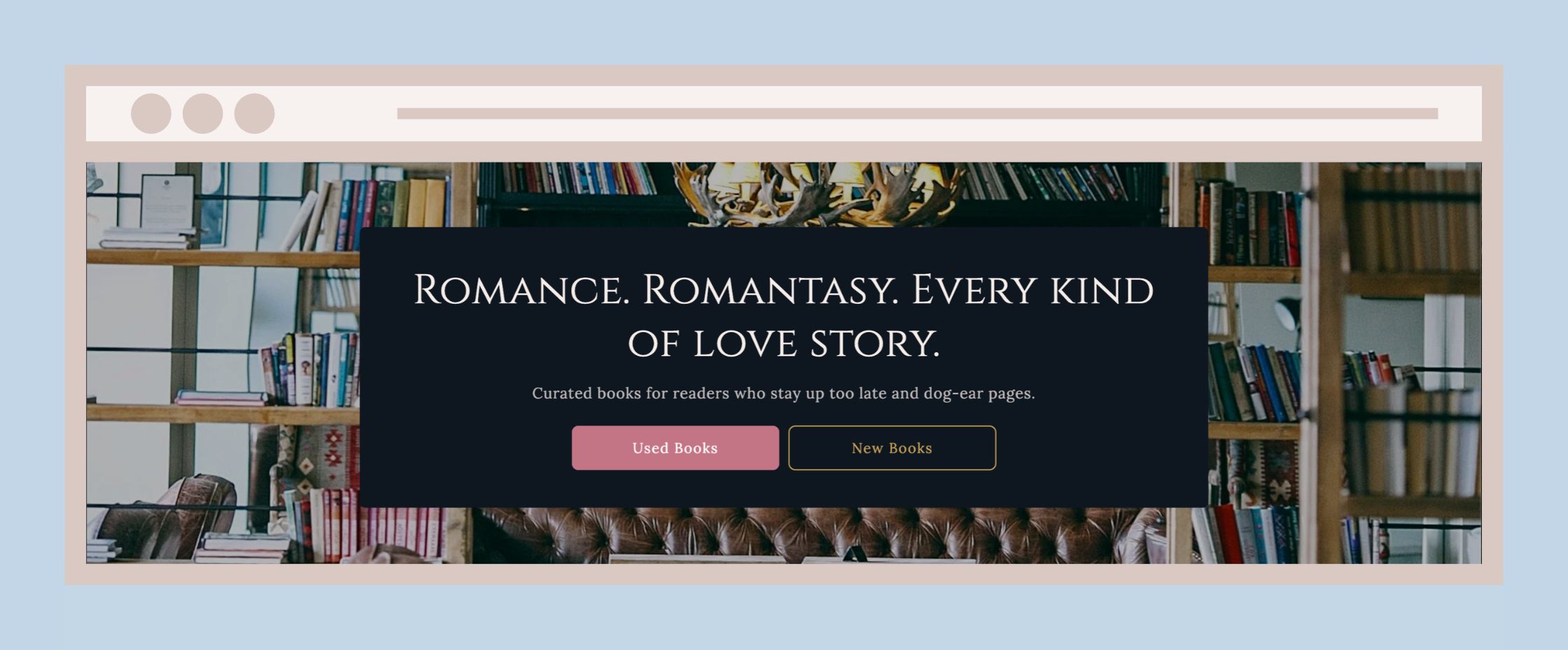
Lunaria sells used books and points readers to new releases through Bookshop.org. Romance readers shop by series, spice level, and tropes, and they want to know what is coming out next. A stock Shopify theme only knows generic products.
Upcoming releases ran on a third-party calendar widget. It could not color books by genre, had no place for books announced without a date, and gave no book a page of its own for search to find. And everything had to be maintainable by one person working evenings and weekends.
What I Decided, And Why
Extend A Stock Theme Instead of Building A Custom One
A custom theme can wait until a year of real use shows what the shop needs. In the meantime, custom work stays outside the theme’s files, so updates cannot overwrite it.
Give Books Real Data Fields
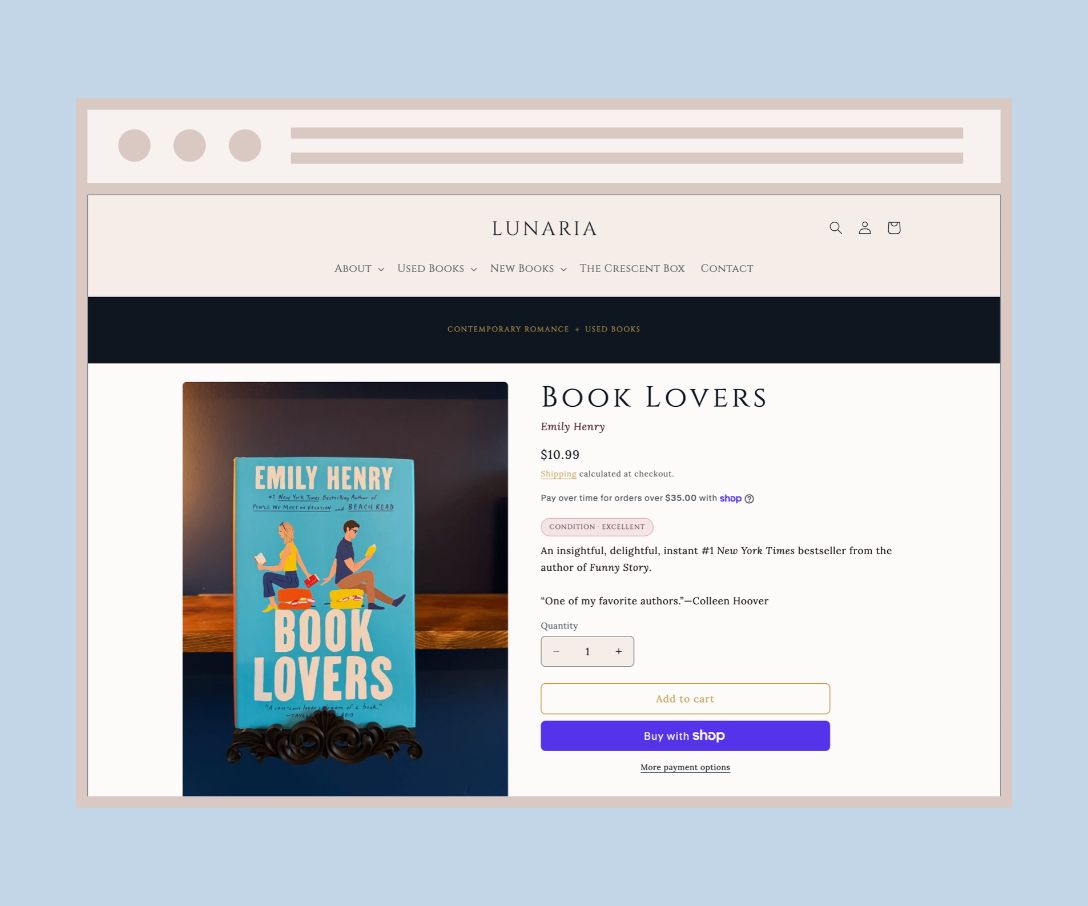
Series, series number, spice, pages, and condition live in structured fields (metafields). Series number and spice are decimals, so a novella can be book 1.5. The ISBN goes in Shopify’s barcode field, so Google Shopping reads it without extra work.
Replace The Widget With A Second Blog
I weighed separate pages, products, metaobjects, and other widgets. A blog gave every book its own URL and search settings, used an admin I already work in daily, and let the release date stay empty for books that are announced but undated.
Write CSS That Survives Updates
Styles target section names that stay the same, never the ID numbers a theme update changes, and the stylesheet lives in a setting updates do not overwrite.
What I Built
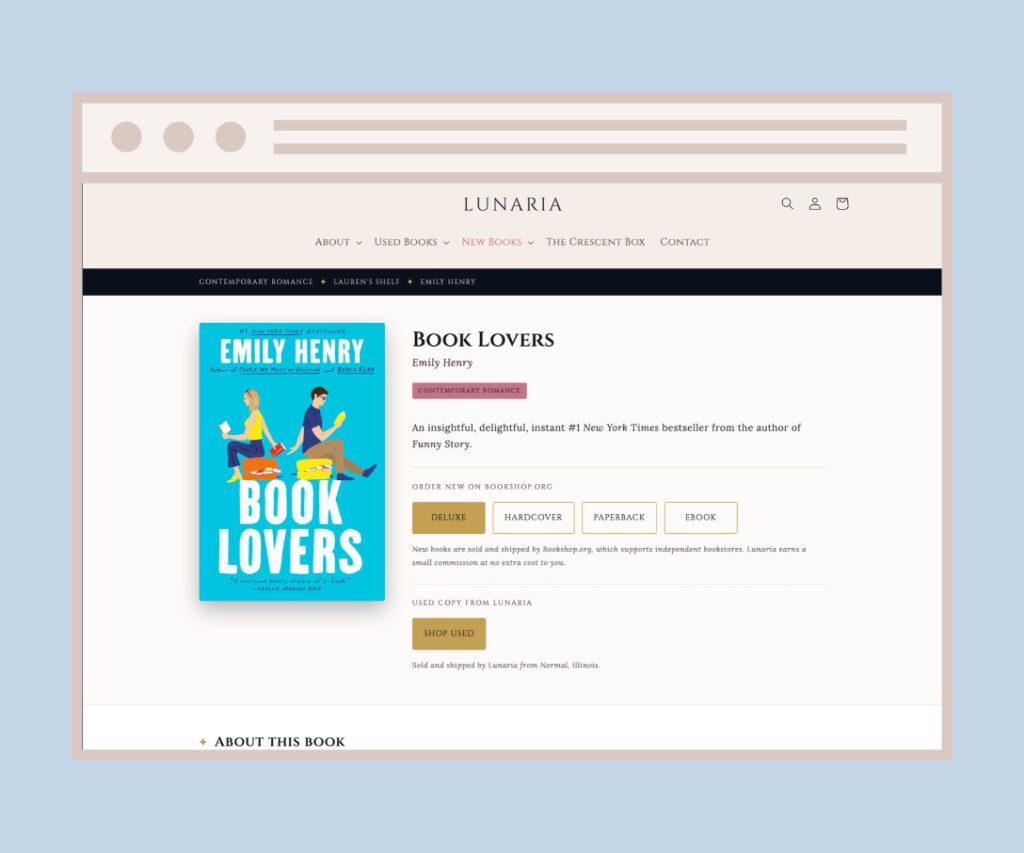
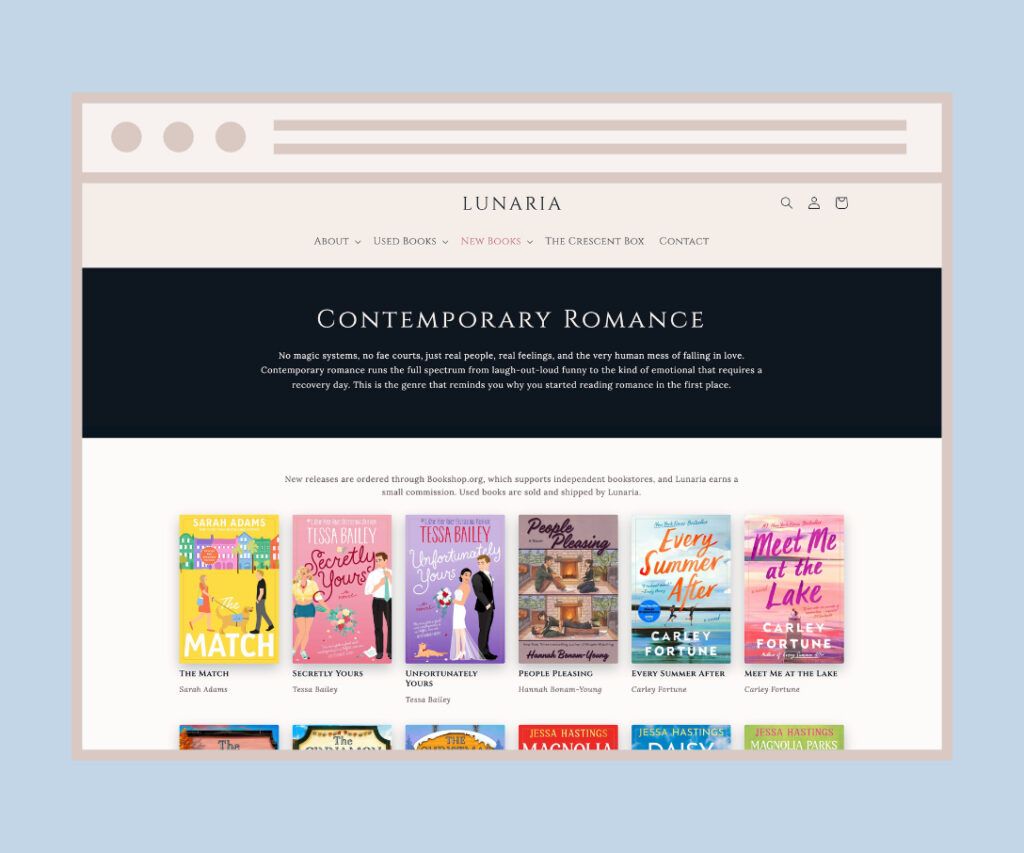
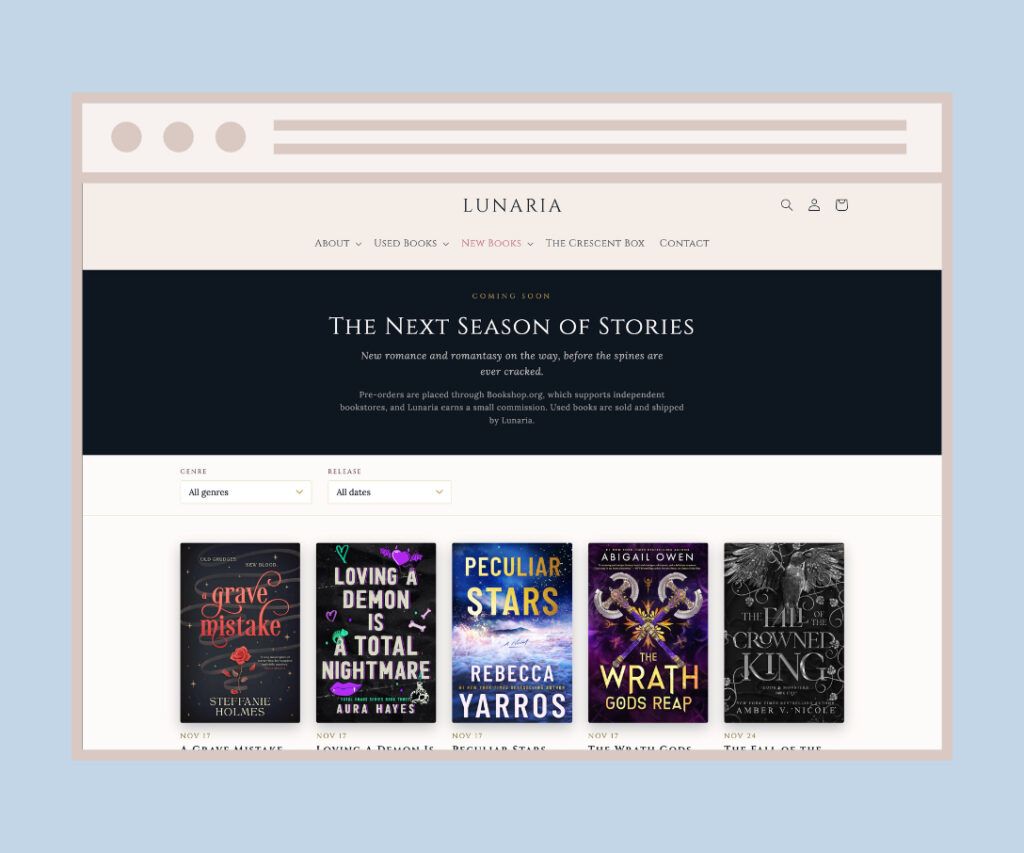
About twenty custom pieces: the book page template, a new-releases system (a filterable Coming Soon grid, a rolling Just Released page, and a page for every book), shelves and genre pages that load by tag, a table of contents for long posts, and scripts for bulk updates.
What Broke, And How I Fixed It
In late September, every September release vanished from the Just Released page, and the Sarah J. Maas page showed none of her Throne of Glass books. The books still existed. The pages just never saw them.
Shopify hands a page at most 250 blog posts, newest first, and the new-releases blog had reached 290. Posts were ordered by when I created them, not when the book came out, so older titles I had backfilled pushed recent releases off the end.
I passed on a quick fix for a permanent one. A script set each released book’s publish date to its release date. A second gave every book hidden genre and shelf tags, because Shopify filters by tag on its own servers before it applies the limit. Shelves and genre pages now ask for one tag at a time and get every matching book, no matter how large the blog grows.
Under The Hood
The limit is 250 posts per page render, with no higher setting. Tag-filtered blog URLs (/blogs/new-releases/tagged/genre-romantasy) are filtered before pagination, so each shelf fetches a hidden alternate view of just its tag. Both scripts ran against the Admin API with a dry run first; the tagging run updated 282 posts.
A smaller save came in October. A theme update would have swapped out custom sections on 26 templates. I audited it before publishing, with Claude comparing the old and new theme exports, then restored the templates and rewrote 16 leftover selectors, so the update shipped without breaking anything.
Results
Organic search, by calendar month in 2026, from Google Search Console and GA4.
3 → 134
monthly search clicks, July to September
608 → 6,846
monthly search impressions, July to September
59%
of September sessions came from organic search, up from 14% in July
Monthly Search Clicks

October settled at 64 clicks and 5,902 impressions, still far above August. Some of that traffic searches for free copies (“[title] pdf”), which shapes what comes next.
What I Would Do Next
Put my own shelves first
Search visitors land on new-release pages and leave for Bookshop.org. Showing the used copy, with its price, above the Bookshop.org button should send more of them to books I actually stock.
Write for buyers, not browsers
Special editions and gift guides over “read online” searches, so traffic turns into shoppers.
Measure page speed
There is no baseline yet, so the next change gets a before-and-after.
Rebuild as a custom theme after a year
Once the requirements settle, a custom theme removes the patches and the update risk.
Under The Hood
Lunaria is a one-person shop. I designed the system, made the calls, and installed and tested everything on the live store. Claude was my coding partner: it wrote much of the section code and both scripts from my specs, and I reviewed and ran them.
Next case study
The Leash & Lens
Want To Talk About A Website?
Recruiters, hiring managers, and fellow developers are all welcome.